
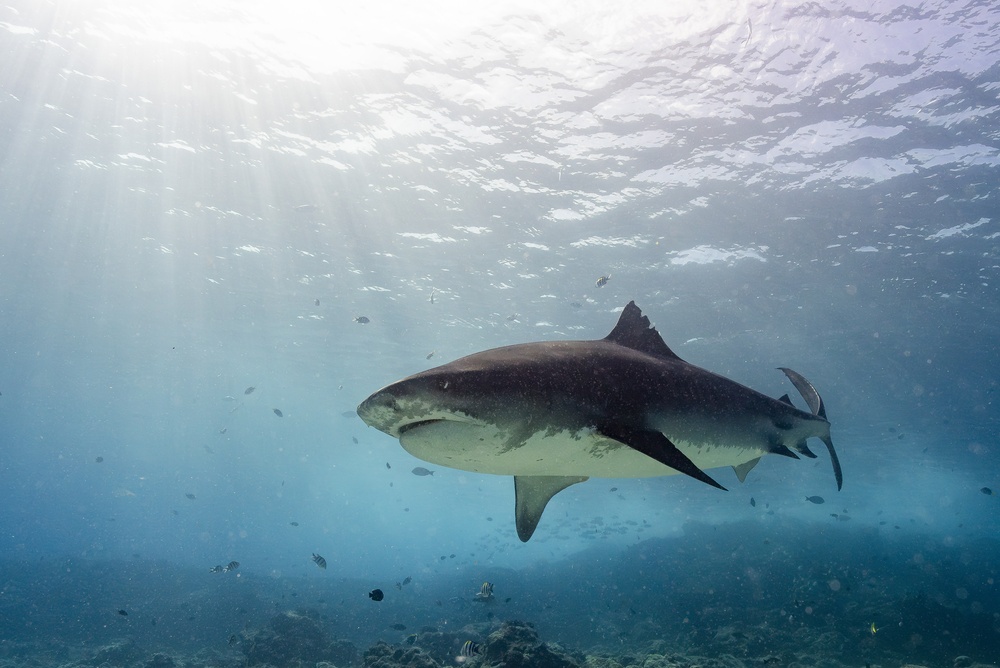
Seeing a whale shark in the open sea is one of the most memorable wildlife experiences you can have in Oman. Whale sharks are large but they are gentle filter feeders that swim through the water looking for plankton and other small creatures.
Oman’s coastal waters are a major site for whale shark sightings especially around the Daymaniyat Islands and parts of the Gulf of Oman. These gatherings are dictated by the seasons and animals innate behaviors, so there is no guaranty of seeing one.
If you’re planning a marine adventure in Oman, knowing when whale sharks might appear, where sightings have been recorded and how to observe them responsibly can help you plan your trip.
What Is a Whale Shark?
The whale shark is the biggest fish in the world. It is a shark, not a whale, despite its name, and it feeds mainly on plankton and other small organisms.
It is easily recognizable by its massive body and distinctive pattern of white spots. Whale sharks are big but tend to be gentle filter feeders and are not known to attack humans.
Whale sharks are also a listed as endangered, so responsible wildlife viewing is especially important. Seeing one in the wild is a chance to appreciate marine life, but also to understand the need to protect it.
Can You See Whale Sharks in Oman?
Yes, whale sharks have been recorded in Omani waters. Sightings have been recorded by research and marine conservation projects around the Daymaniyat Islands and Musandam and other parts of the Gulf of Oman.
The Daymaniyat Islands are a popular diving and marine wildlife destination and of particular interest to visitors staying in Muscat. Whale sharks have been seen in the waters off, but they are not always there, depending on where you are and what the conditions are.
However, just because a whale shark was seen does not mean they will be around on every trip. They move freely in the ocean and their movements are dictated by such things as food availability and ocean conditions.
For this reason, choose a marine excursion for the overall experience rather than booking on the expectation of seeing a particular animal.
When Is the Best Time to See Whale Sharks in Oman?
Whale shark sightings in Oman are seasonal, but there is no fixed calendar that guarantees an encounter.
Research on whale sharks in the Gulf of Oman has demonstrated an increase in sightings and gatherings during the warmer months. Records suggest the potential for aggregations around the Daymaniyat Islands from April to November, peaking in September. These are observed patterns, not a prediction of what visitors will see in any given year.
The likelihood of an encounter may depend on feeding activity, sea conditions, and movements of individual whale sharks.
If whale sharks are a priority for your visit, ask your tour operator about recent local sightings and current conditions before booking. Recent reports may give you an idea of what you have been looking for in the area but they cannot guaranty that the animals will still be there when you arrive.
Even when whale sharks are absent, a trip into Oman’s coastal waters can provide opportunities to explore underwater habitats and encounter other marine species.
Where Can You Look for Whale Sharks?
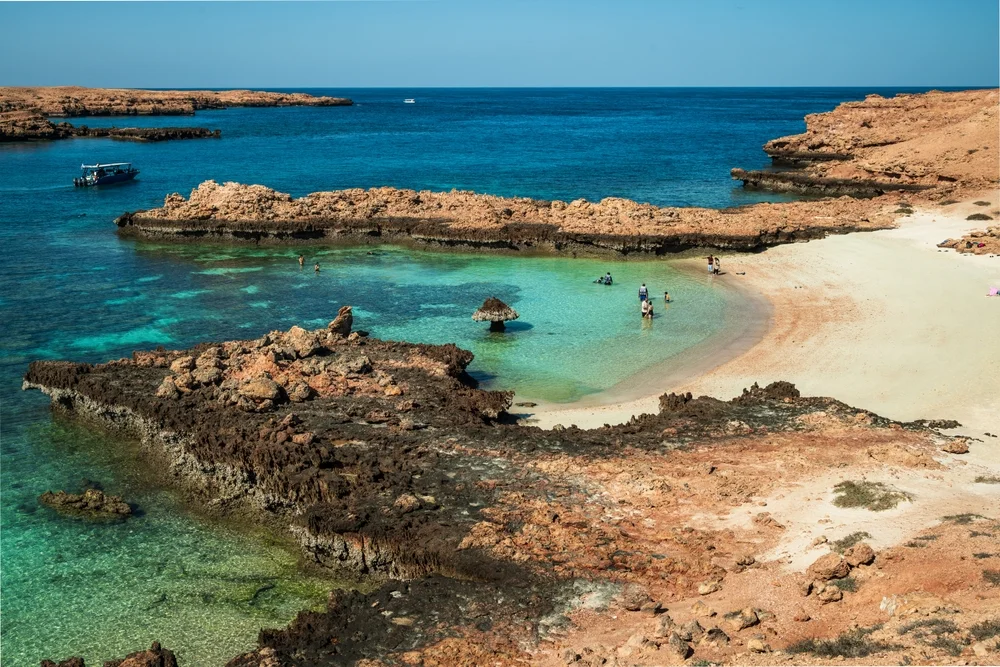
Daymaniyat Islands
The Daymaniyat Islands Reserve is one of the most popular marine areas in Oman. The reserve is offshore from the coast of Seeb and Barka and consists of nine islands surrounded by waters that are home to diverse marine habitats.
This chain of islands has had whale sharks sightings and is therefore of interest to visitors interested in marine wildlife. Snorkeling and diving trips also provide opportunities to explore the underwater environment and search for other marine species.
However, whale sharks do not remain in one place. Their presence can change from one day to another, and a trip to the reserve should not be considered a dedicated or guaranteed whale shark encounter.
If you are staying in Muscat, you can explore options such as the Daymaniyat Islands Snorkeling Tour to experience the area’s marine environment. The tour is a snorkeling experience, not a promise of whale shark sightings.
Musandam and the Gulf of Oman
There have also been reports of whale sharks in the Musandam area. There have been sightings from numerous locations in the region, underlining the importance of Omani waters for these animals.
Depending on the itinerary, the point of departure and the activity they want to do, the actual place to go for travelers varies. Musandam and the Daymaniyat Islands are two separate places and it’s worth thinking about your travel arrangements before committing to an excursion.
Wherever you go, remember that whale sharks are wild animals whose movements cannot be controlled or predicted by tour operators.
What Is It Like to Swim Near a Whale Shark?
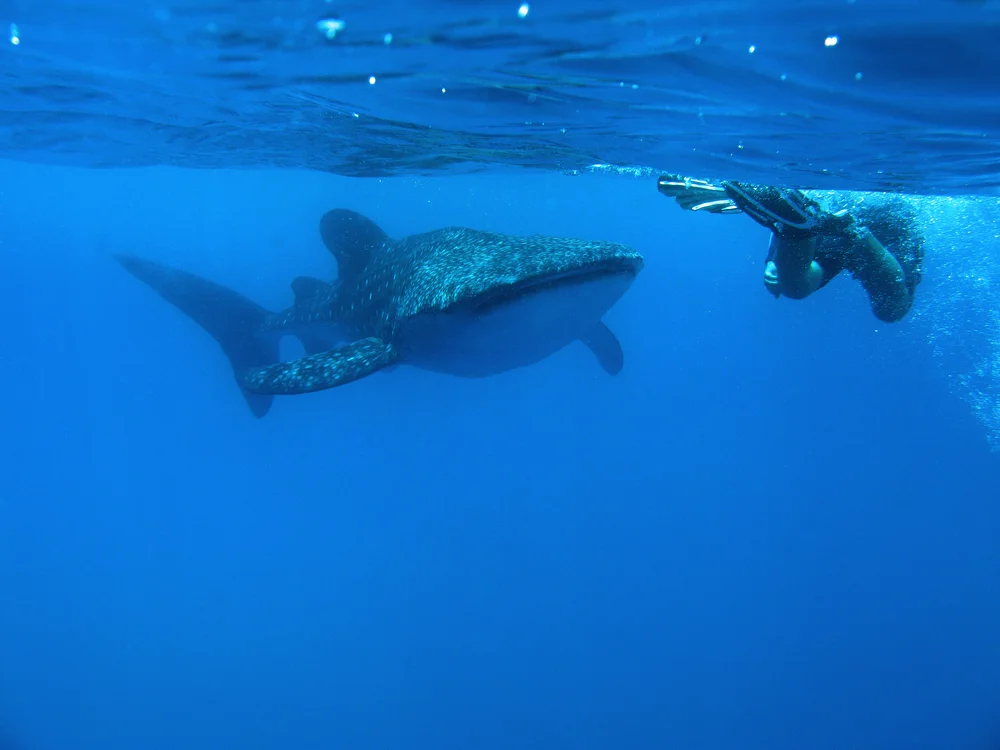
Encountering a whale shark while snorkeling or diving can be an extraordinary experience. Its size may be surprising, especially when the animal moves calmly through the water.
If you see a whale shark, let it move naturally and observe it without trying to get too close. Don’t follow it, touch it or obstruct its path of travel.
Your guide should be able to explain how to view wildlife properly and help ensure that the encounter is done responsibly. Follow their instructions and be aware of local rules or restrictions.
A sighting may only be of short duration. Remaining calm and giving the animal space to move allows you to enjoy the experience without disturbing the animal unnecessarily.
Whale Shark Safety and Responsible Wildlife Watching
Whale sharks are generally not aggressive towards people, but their size means swimmers should always behave cautiously around them. Responsible observation also helps reduce disturbance to an endangered species.
During an encounter:
- Never touch, ride, or attempt to feed a whale shark.
- Do not chase an animal that swims away.
- Maintain a respectful distance and follow your guide’s instructions.
- Avoid blocking its path or surrounding it with swimmers.
- Keep movements controlled and avoid sudden approaches.
- Follow applicable marine reserve rules and wildlife-viewing guidelines.
Responsible wildlife tourism puts the animal’s welfare first. A good encounter is one in which visitors can observe marine life without forcing an interaction.
What Else Might You See in Oman’s Waters?
Whale sharks are only one part of Oman’s rich marine environment. Depending on the location, season, and sea conditions, a snorkeling or diving trip may offer opportunities to see:
- Sea turtles: Marine turtles can be encountered in Oman’s coastal waters.
- Reef fish: Different species inhabit the underwater environments around rocky reefs and islands.
- Rays: These marine animals may be seen moving across sandy areas or through open water.
- Coral communities: Some underwater habitats contain corals and other marine organisms.
- Other marine life: Eels and additional coastal species may be present, depending on the site.
Visibility and wildlife encounters vary from trip to trip. These possibilities are part of the experience, rather than a checklist of animals that every visitor should expect to see.
Should You Book a Whale Shark Trip in Oman?
If you are a marine wildlife lover then a look around the coastal waters of Oman can be a welcome addition to your schedule. The trick is to pick an excursion that matches your interests, without an expectation that you will see a whale shark for sure.
If you are staying in Muscat, you might want to consider a visit to the Daymaniyat Islands for their marine environment and snorkeling. Ask your operator before booking about the activity, departure point, expected duration and current sea conditions.
Even if you don’t see whale sharks, you will still be able to explore Oman’s underwater world and look for other marine life.
The best approach is to value the complete experience rather than judge the trip by whether one particular animal appears.
Final Thoughts
Whale sharks have been seen in Omani waters, including around the Daymaniyat Islands, and studies show that sightings may be more frequent during some of the warmer months. But their natural movement makes each encounter unpredictable.
If you’re planning a marine adventure in Oman, choose a responsible operator, follow the wildlife guidelines and enjoy the bigger picture of being out on the sea.
A whale shark sighting may be an unexpected highlight rather than the main outcome of your trip. If you are fortunate enough to encounter one, observing this remarkable fish in its natural environment can become a memorable part of your visit to Oman.

