
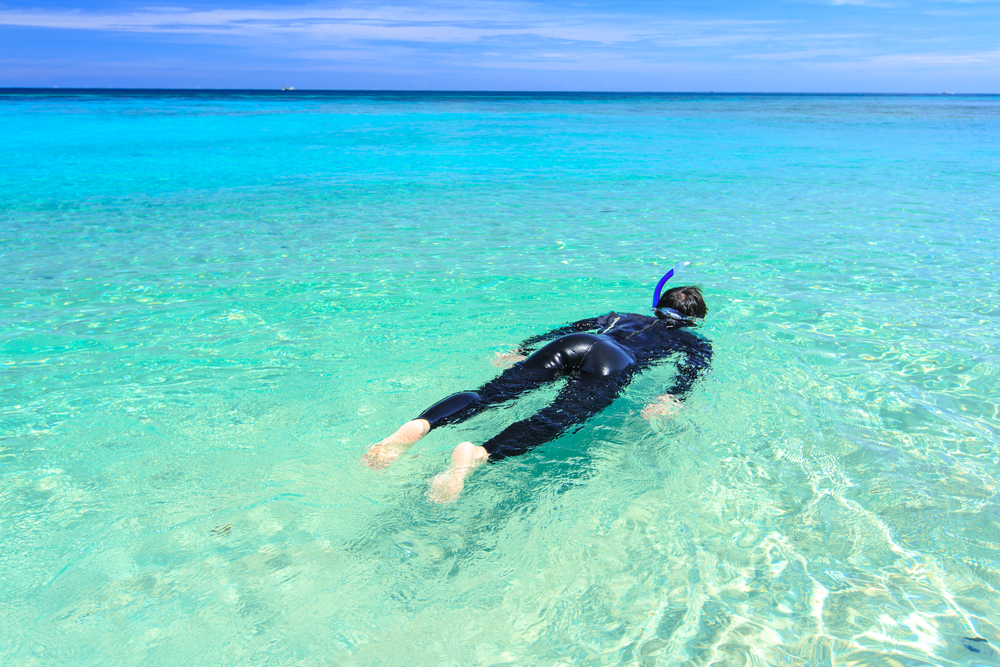
Snorkeling at Daymaniyat Islands is one of the ways to enjoy Oman’s marine environment outside of the city. The islands off the coast near Muscat are a great opportunity to spend time on the water, explore the underwater surroundings and see marine life in its natural habitat.
For those staying in Muscat, a snorkeling trip to the Daymaniyat Islands can be a different experience on an Oman itinerary. The day is not about forts, markets, mountains or desert landscapes, but about the sea.
Whether you are planning your first snorkeling experience or simply want to explore Oman’s coastal waters, knowing what to expect can help you plan your trip more comfortably.
Why Choose the Daymaniyat Islands for Snorkeling?
The Daymaniyat Islands are a protected area and a marine nature reserve. The islands are rocky, and there are beaches and coral habitats, as well as a variety of marine life in the surrounding waters. The Environment Authority lists The Daymaniyat Islands as one of Oman’s marine nature reserves.
The setting makes the islands particularly interesting for travelers who want snorkeling to be the main activity rather than a short addition to a wider sightseeing tour.
Most trips will include a boat ride and time in the water. On the boat, views will include coastline and islands, and entry to the sea at appropriate places will be determined by the guide based on the day’s conditions.
For visitors based in Muscat, the islands also provide a convenient way to experience a different side of Oman without spending the day on a mountain or desert excursion.
What Marine Life Might You See?
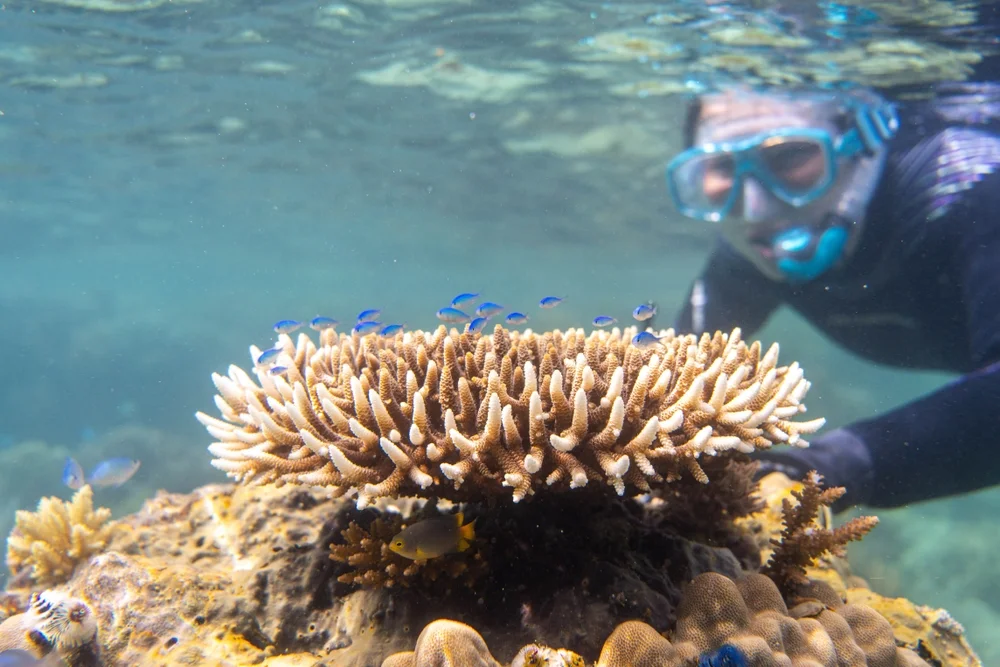
One of the biggest attractions of Daymaniyat Islands snorkeling is the opportunity to observe marine life in its natural environment.
Depending on the location, visibility and sea conditions, you may encounter:
- Reef fish around coral formations
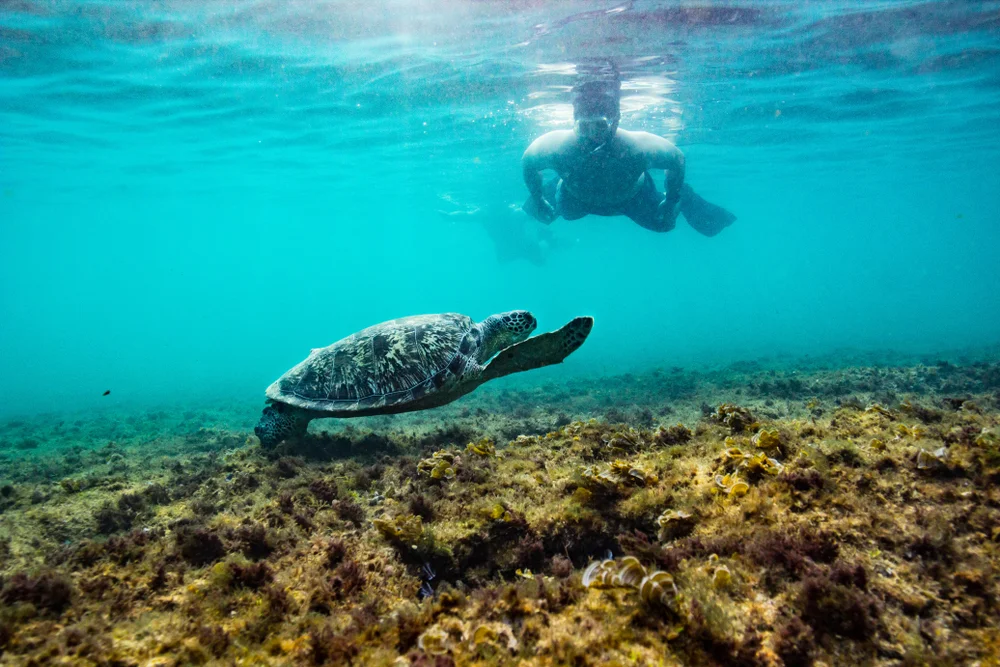
- Sea turtles
- Coral and other underwater habitats
- Different marine species found around Oman’s coast
The Daymaniyat Islands Nature Reserve is home to a variety of marine life and reefs of coral, and the islands are a nesting ground for sea turtles.
However, sightings of wildlife should never be guaranteed. Marine animals swim freely. Visibility and sea conditions may vary from day to day.
If you are particularly interested in snorkeling with turtles, the most important thing is to observe them responsibly. Do not chase, touch, feed or interfere with marine animals. Giving wildlife space allows you to enjoy the encounter without disturbing its natural behavior.
What Happens on a Daymaniyat Snorkeling Tour?
A Daymaniyat snorkeling trip generally begins at the confirmed departure point, followed by a boat journey toward the islands. Once on the water, the crew can provide information about the trip, safety procedures and the snorkeling equipment.
The exact route and snorkeling spots may vary according to the sea conditions and the day’s itinerary.
Under the right conditions, guests can go into the water and explore the underwater surroundings. If you’re new to snorkeling, tell the guide or crew before you get in the water. You can ask about the equipment, water conditions and any help that may be available.
Also, your swimming ability matters. Snorkeling is in the sea, so choose an experience that is right for your comfort and skill level in the water.
For travelers staying in Muscat, checking the departure point before booking is also important. A current Daymaniyat Islands snorkeling experience from Seeb Port can make the trip easier to plan as part of a Muscat itinerary.
What Should You Take With You?
A little preparation can make a boat and snorkeling day more comfortable.
Consider bringing:
- Swimwear
- A towel
- Sun protection suitable for a boat trip
- Drinking water according to the operator’s guidance
- A waterproof bag for valuables
- Personal medication if required
- A change of clothes for after the trip
Before you go, check what the operator provides. This may include snorkeling gear, safety equipment and refreshments, depending on the tour.
Before you go, you should also check the meeting point, departure time, length of the tour, the cancelation conditions and what happens in case of bad weather.
Is Daymaniyat Islands Snorkeling Suitable for Beginners?
Snorkeling can be enjoyable for first-time visitors, but you should choose an experience that matches your swimming ability and comfort in the sea.
If it’s your first time snorkeling, make sure to inform the crew before you get in the water. Pay close attention to the safety briefing, and don’t hesitate to ask questions if you’re uncertain about how to use the mask, snorkel, or any other equipment.
If the conditions make you uneasy, don’t feel obligated to get in the water. Prioritizing safety and respecting the marine environment are key to a responsible snorkeling experience.
For swimmers with more confidence, the experience allows for a greater freedom to explore the underwater world while still adhering to the guide’s instructions and the reserve rules.
How to Protect the Daymaniyat Islands
The Daymaniyat Islands are a protected natural area, so responsible behavior is an important part of visiting.
Visitors are advised by the Environment Authority to follow reserve guidelines, refrain from collecting coral or marine wildlife, and avoid disturbing turtles and their nests. It’s important for visitors to manage their waste and contribute to keeping the islands clean.
While snorkeling:
- Do not touch coral or marine animals.
- Do not chase or disturb turtles.
- Do not collect shells, coral or other marine life.
- Do not leave rubbish in the water or on the islands.
- Follow your guide’s instructions.
- Avoid standing on coral or damaging underwater habitats.
Certain activities and access arrangements may also be subject to reserve regulations and seasonal restrictions. According to the Environment Authority’s current permit information, entry and camping regulations apply to the reserve, so visitors should verify the latest official requirements before planning a trip to the island.
By safeguarding the environment, we can make sure that the Daymaniyat Islands continue to be a valuable marine habitat for future visitors and wildlife alike.
When Should You Plan Your Daymaniyat Snorkeling Trip?
Because sea conditions, visibility, and marine activity can change, there’s no day that can guarantee the perfect snorkeling experience.
Think about the overall conditions and your availability instead of just planning around wildlife sightings. Before you travel, confirm the current operating arrangements with your tour operator.
If snorkeling is one of the main reasons for your Oman trip, giving the activity its own half-day rather than trying to combine it with a packed sightseeing itinerary can also make the experience more relaxed.
Book a Daymaniyat Islands Snorkeling Tour from Muscat
If you want to make snorkeling the focus of your sea experience, a dedicated boat trip to the islands is a practical option while staying in Muscat.
Octopus Oman offers a Daymaniyat Islands Snorkeling Tour from Seeb Port. The shared experience is listed as a 4-hour tour with snorkeling gear, snacks and a marine guide, with availability for different experience levels. Check the current tour details before booking.
You can explore the Daymaniyat Islands Snorkeling Tour for the current departure details, inclusions and booking information.
Final Thoughts
Snorkeling at the Daymaniyat Islands provides visitors with the opportunity to discover a different aspect of Oman, away from its urban areas, mountains, and deserts. For visitors in Muscat, the boat journey, being on the water, and the chance to spot marine life all make this activity quite attractive.
There’s no need to plan your entire Oman itinerary around the islands. You can easily include a dedicated snorkeling trip in Muscat over a few days while taking the opportunity to explore Oman’s coastal environment.
Plan according to your swimming ability, check the current tour arrangements and follow responsible wildlife practices throughout the experience. Most importantly, enjoy the marine environment without disturbing the animals and habitats that make the Daymaniyat Islands special.

