
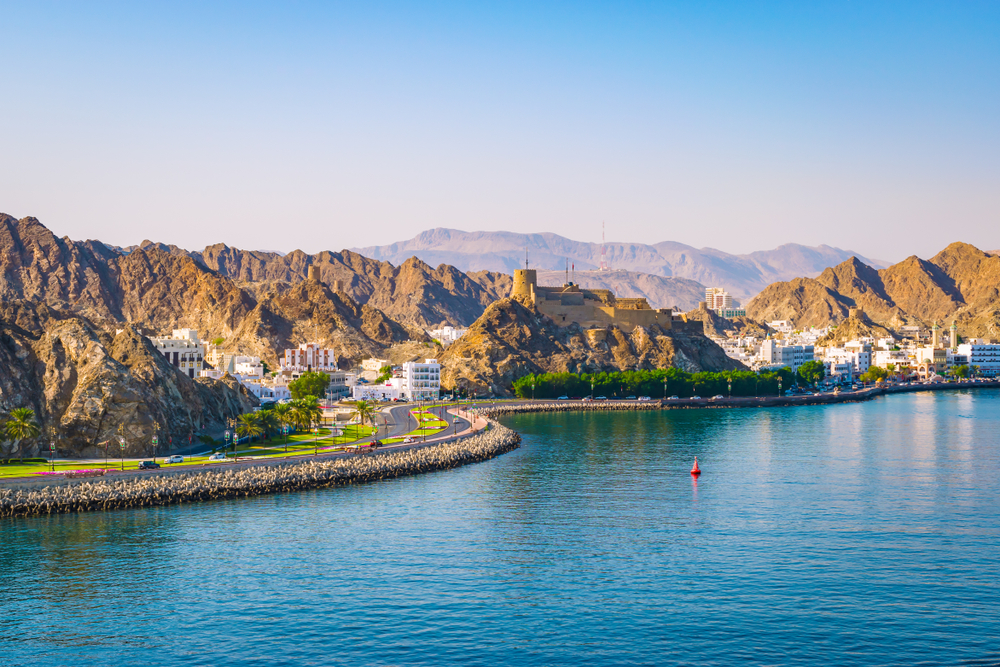
Muscat is a city where Oman’s history, culture, architecture, and coastal landscape come together. From impressive religious landmarks and traditional markets to historic forts and the waterfront, the capital offers plenty to explore in a single day.
A Muscat city tour is a convenient way to discover these highlights, especially if you are visiting Oman for the first time. With a local guide, you can learn more about the places you visit instead of simply passing them on the way.
Here are some of the highlights you may want to include in your Muscat itinerary.
Sultan Qaboos Grand Mosque
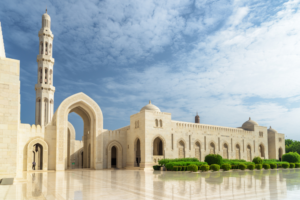
The Sultan Qaboos Grand Mosque is one of the most important landmarks in Muscat and a usual first stop for visitors.
The mosque is recognized for its spectacular Islamic architecture, ornate decorative details, extensive prayer hall, and beautiful grounds. It is also an opportunity to get to know an important aspect of Oman’s religious and cultural heritage.
Visitors should check the current visiting hours and dress requirements before planning their visit, as access rules can vary.
Royal Opera House Muscat
Another impressive architectural gem in the capital is the Royal Opera House Muscat.
Since its inauguration in 2011, the complex has been the venue for performances and cultural events, featuring a mix of modern design and traditional Omani elements.
You should include the building and its surroundings in your city sightseeing itinerary, even if you’re not going to a performance there.
Mutrah Corniche and Mutrah Souq
For numerous visitors, Mutrah is one of the most charming areas of Muscat.
The Mutrah Corniche runs along the waterfront, providing views of the harbor and the mountains around it. In the vicinity, Mutrah Souq offers a contrasting experience.
Within the souq, traditional Omani goods such as frankincense, perfumes, silverware, textiles, handicrafts, and souvenirs are available for visitors to explore.
Walking through the narrow market streets is also a good way to experience the traditional side of Muscat.
Al Alam Palace and Old Muscat
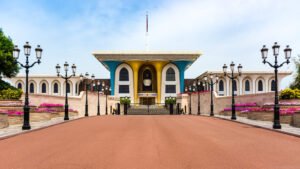
Old Muscat provides another glimpse into the city’s history.
Situated in the historic Old Muscat area, Al Alam Palace serves as the ceremonial palace for the Sultan of Oman. Although visitors can’t enter the palace, its unique façade and the architecture around it make it a favored spot for photos.
The region is encircled by impressive mountains and ancient buildings, which stand in stark contrast to the contemporary sections of the capital.
Bait Al Zubair Museum
Bait Al Zubair Museum is another great stop for those wanting to explore Omani heritage.
Oman’s traditional culture and history are showcased in the museum’s collections, which include clothing, weapons, household items, and various other heritage artifacts.
By offering a closer look at traditional Omani life, a museum visit can contextualize the other landmarks you encounter around Muscat.
What Makes a Guided Muscat City Tour Useful?
While you can explore Muscat on your own fairly easily, a guided tour can provide a more organized experience.
A local guide can share the history of key landmarks, help you navigate local customs, and plan the route based on the time you have available.
If you’re short on time in Muscat and want to see several major attractions in a single day, a guided tour can be especially helpful.
Depending on the itinerary, tours may include hotel pickup, transportation, sightseeing stops, and time to explore selected attractions.
Tips for Visiting Muscat
A little preparation can make your sightseeing experience more comfortable.
- Dress modestly: This is especially important when visiting religious and cultural sites.
- Carry water: Muscat can become very warm, particularly during the hotter months.
- Check opening hours: Attractions and museums may have specific visiting schedules.
- Allow time for photography: Muscat’s coastline, mountains, architecture, and old neighborhoods offer plenty of photo opportunities.
- Respect local customs: Follow photography restrictions and instructions at religious or cultural sites.
- Plan around the weather: Morning sightseeing can be more comfortable during warmer periods.
Explore Muscat Beyond the Main Attractions
Exploring Muscat is about more than just ticking off landmarks. The city is more captivating when you see how its traditional neighborhoods, contemporary structures, coastline, mountains, and markets come together.
Oman’s capital presents various views through the architecture of the Grand Mosque, the vibe of Mutrah Souq, and the historic backdrop of Old Muscat.
Whether you have only one day in the city or are using Muscat as the starting point for a longer Oman itinerary, exploring the capital with a well-planned route can give you a strong introduction to the country’s history and culture.