
Winter is Oman’s best season for day trips. From November to early March, Muscat averages around 26°C with sunny days and cool evenings, the sea stays about 23–26°C, and the desert, wadis and mountains are all comfortable to explore. Every day tour from Muscat works well now. The two things to plan for are cold mornings in the mountains and peak-season demand, so book popular tours a few days ahead.
Here is what each tour is like in winter, month by month, and how to make the most of the season.
What winter weather in Oman is really like
| Place | What to expect in winter |
|---|---|
| Muscat and the coast | Highs around 26°C in December, lows around 20°C; mostly sunny |
| The sea off Muscat | About 25°C in December, 24°C in January, 23°C in February |
| Wahiba Sands | Warm days of about 25–32°C, cool nights |
| Jebel Shams and Jebel Akhdar | Much colder; Jebel Shams dropped to –4°C in January 2026 |
Rain is rare but possible. January has the most rainy days of the year in Muscat, though that still means only two or three on average. Heavy showers can make wadis unsafe for a day, so keep a little flexibility in your plans.
Best day tours in winter
| Day tour | Winter verdict | Why |
|---|---|---|
| Wahiba Sands & Wadi Bani Khalid | Excellent | The best season for the desert; days are warm, not hot |
| Wadi Shab | Excellent | Comfortable hiking temperatures for the walk to the pools |
| Jebel Shams | Excellent, with warm layers | Clear views; cold and windy at the canyon edge |
| Nizwa & Jebel Akhdar | Excellent, with warm layers | Pleasant in Nizwa, cool on the plateau |
| Muscat city tour | Excellent | Comfortable for walking around the souq and sights |
| Daymaniyat snorkelling and diving | Very good | Beach landings are open again; water is cooler in Jan–Feb |
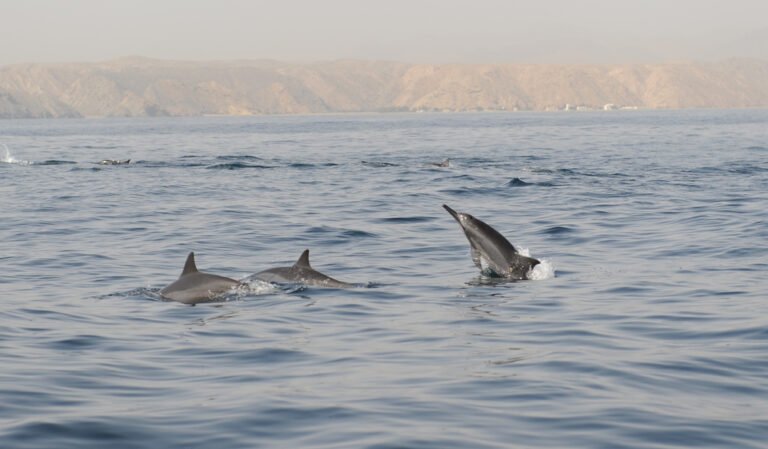
| Dolphin watching and snorkelling | Very good | October to May is the main dolphin season |
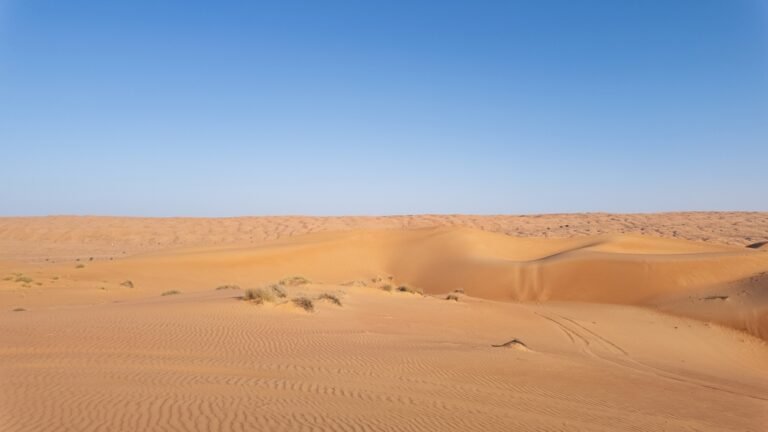
Wahiba Sands and Wadi Bani Khalid
This is the season for the desert. In summer the dunes can go above 45°C; in winter the days sit around 25–32°C, so you can enjoy the sand in comfort. Wadi Bani Khalid’s pools hold water all year, and the walk to the upper pools is far easier in the cooler months. Pack a warm layer for later in the day and read what to wear at Wadi Bani Khalid before you go.
Book: Wahiba Sands & Wadi Bani Khalid shared tour or private tour.
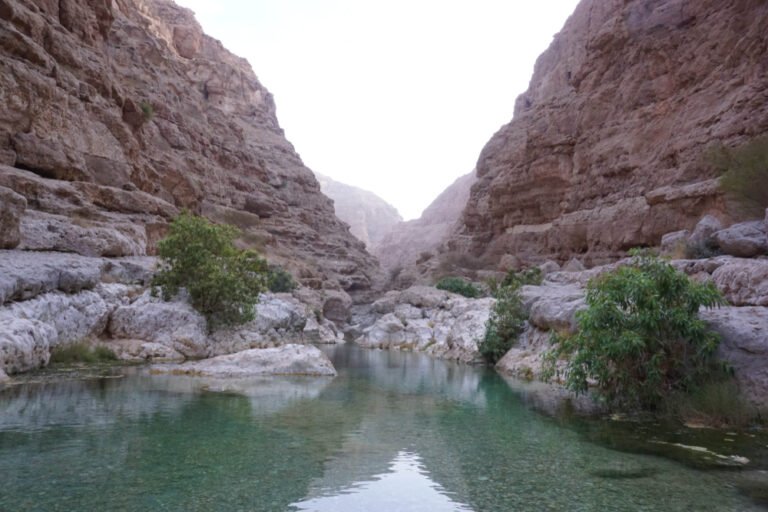
Wadi Shab
The hike to Wadi Shab’s pools and cave has little shade, which makes it hard work in summer. In winter it is one of the most enjoyable days out from Muscat. Weekends and holidays get busy, so see the best time to visit Wadi Shab and Bimmah Sinkhole for quieter options.
Book: Wadi Shab shared tour from Muscat.
Jebel Shams and Jebel Akhdar
Winter brings the clearest mountain views, but it is the one place in Oman where you’ll feel properly cold. Mornings can be near or below freezing on Jebel Shams, and the canyon edge is windy. A fleece and a windproof jacket are enough for a day trip. Our guide to Jebel Shams and Jebel Akhdar in winter has the details, and Jebel Shams or Jebel Akhdar helps you choose.
Book: Jabal Shams Grand Canyon tour or Nizwa & Jabal Akhdar tour.
Muscat city tour
Winter is ideal for exploring Muscat on foot, from the Grand Mosque to Muttrah Souq. Remember that the Grand Mosque is closed to tourists on Fridays and only open to non-Muslim visitors on Saturday to Thursday mornings. See our Grand Mosque visiting guide.
Book: shared Muscat city tour or private Muscat city tour.
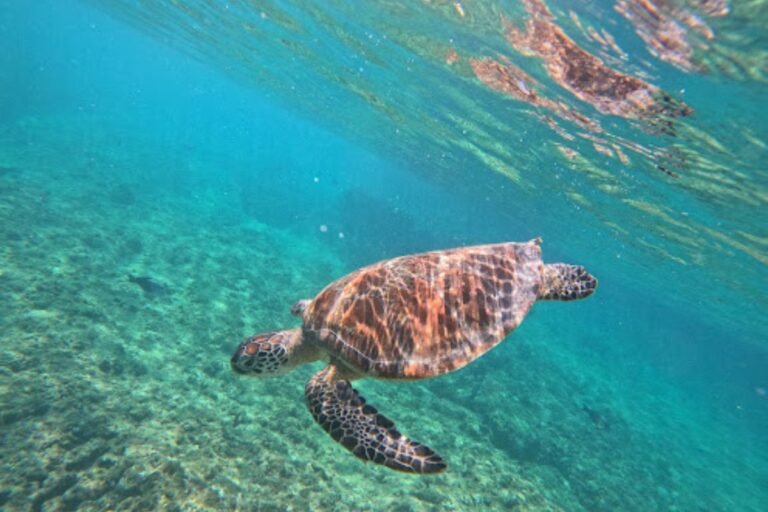
Daymaniyat Islands snorkelling and diving
Winter has one big advantage at the Daymaniyat Islands: beach landings reopen in November and are allowed until the end of April, after the summer closure for nesting turtles and seabirds. Sea conditions are often calm in the mornings, which suits first-time snorkellers.
The trade-off is water temperature. January and February are the coolest months, around 23–24°C, and whale sharks are unlikely then. If you feel the cold in water, wear a rash guard or a thin wetsuit. Whale shark chances return from April. Our Daymaniyat month-by-month guide covers each month.
Book: Daymaniyat snorkelling shared tour or shared scuba diving.
Dolphin watching and snorkelling
October to May is widely seen as the best season for dolphin watching off Muscat, with calmer seas and pleasant mornings on deck. Bring a light layer for the boat ride, because the breeze can feel cool early in the day. Dolphins are wild, so sightings can’t be guaranteed.
Book: shared dolphin watching tour or private dolphin watching tour. Our Bandar Al Rowdha meeting point guide explains where to go.
Winter month by month
- November: The season starts. The sea is still warm (around 28°C), whale sharks are possible at the Daymaniyat Islands, and the desert and wadis become comfortable. A great all-round month.
- December: Peak season, especially over the holidays. Pleasant days around 26°C; mountain mornings turn cold. Book ahead.
- January: The coolest month and the most likely to bring a rainy day. Excellent for the desert, wadis and city; pack warm layers for the mountains.
- February: Similar to January, with the coolest sea of the year. Very good for hiking and sightseeing.
- March: Warming up. Still comfortable for most tours, and Jebel Akhdar’s rose season starts to approach.
Tips for a winter trip
- Book popular tours ahead. Winter is peak season, so popular dates can fill up, especially from mid-December to early January.
- Pack for two climates. Light clothes for the coast and desert, plus a fleece and windproof jacket for the mountains and early boat rides.
- Combine tours over several days. With every tour in season, a 4–5 day stay lets you do sea, desert, wadi and mountain. Our 7-day Oman itinerary shows how.
- Keep a flexible day. If rain affects a wadi or the sea, you can swap tours rather than lose the day.
- Still use sunscreen. The winter sun is strong, especially on the water and at altitude.
Frequently asked questions
Is winter a good time to visit Oman?
Yes. November to March is the best time for most visitors, with warm, sunny days around 26°C in Muscat and every day tour comfortable to do.
Is the sea too cold to snorkel in Oman in winter?
No. The sea off Muscat stays around 23–26°C in winter. January and February are the coolest months, so a rash guard or thin wetsuit helps if you feel the cold.
Can you go to Wahiba Sands in winter?
Yes. Winter is the best season for the desert, with warm days and cool evenings. Bring a warm layer for later in the day.
How cold is it in the Oman mountains in winter?
Much colder than the coast. Jebel Shams can drop below freezing overnight, and it recorded –4°C in January 2026. Daytime visits need a fleece and a windproof jacket.
Do I need to book Oman tours in advance in winter?
It is a good idea, especially from mid-December to early January. Winter is peak season, and popular dates can fill up.
Ready to plan your winter days? Browse all our day tours from Muscat, or message us on WhatsApp with your dates.
Sources: Experience Oman – Weather · Travelscoop – Muscat in December · Weather2Travel – Muscat climate · Climate-Data – Muscat · Veena World – Best time to visit Oman · Holidify – dolphin watching in Muscat · Oman Observer · Times of Oman, 26 Jan 2026