
No Ferry or Public Boat
You’ll need a licensed tour operator or a private boat with a permit. Most half-day trips last 4–5 hours including the boat ride.
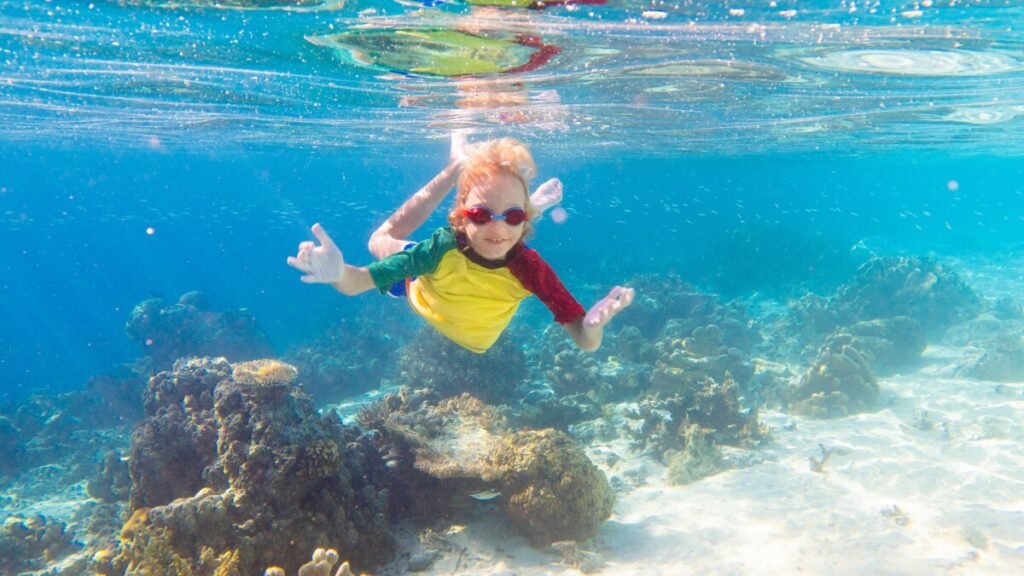
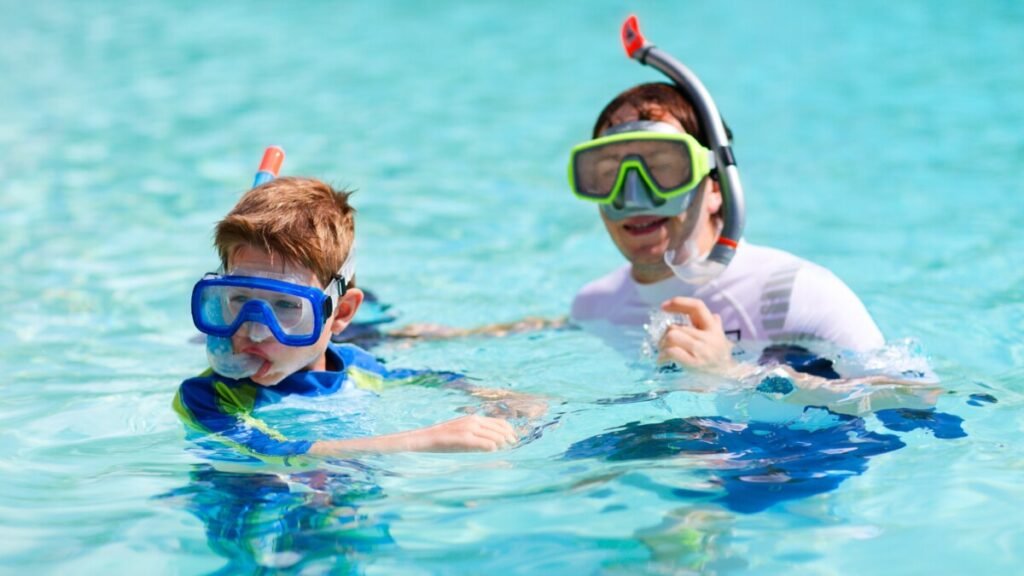

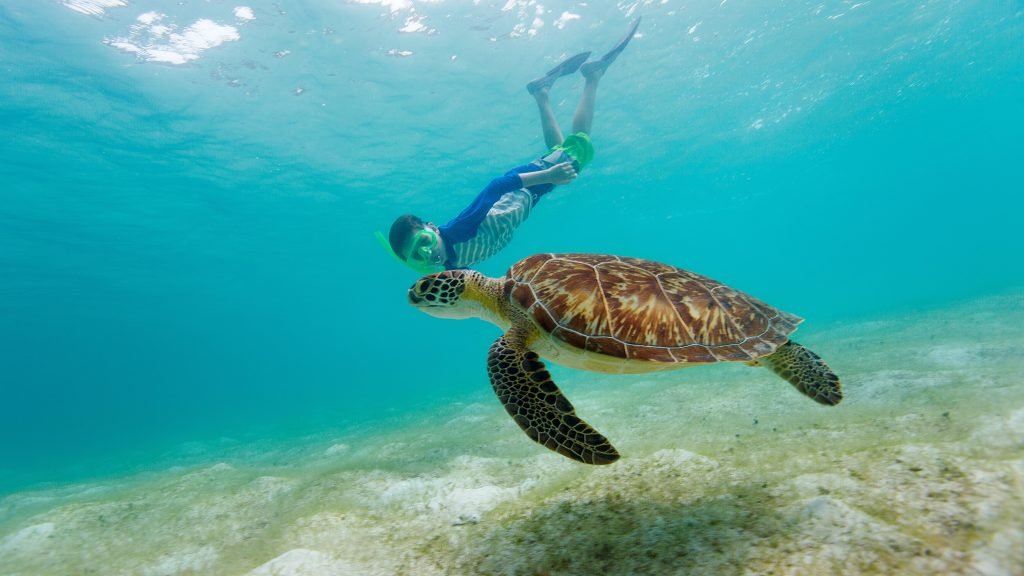

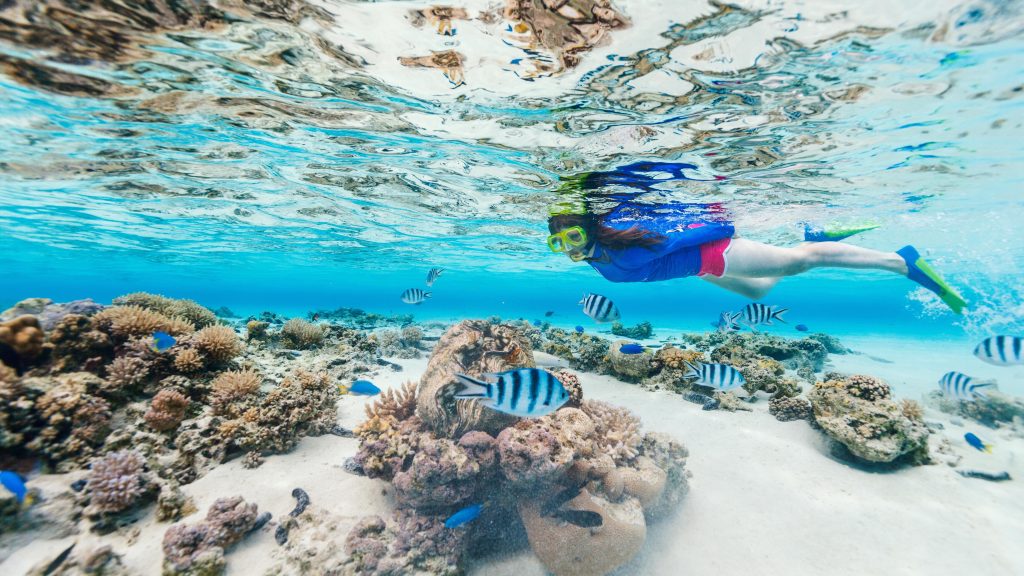
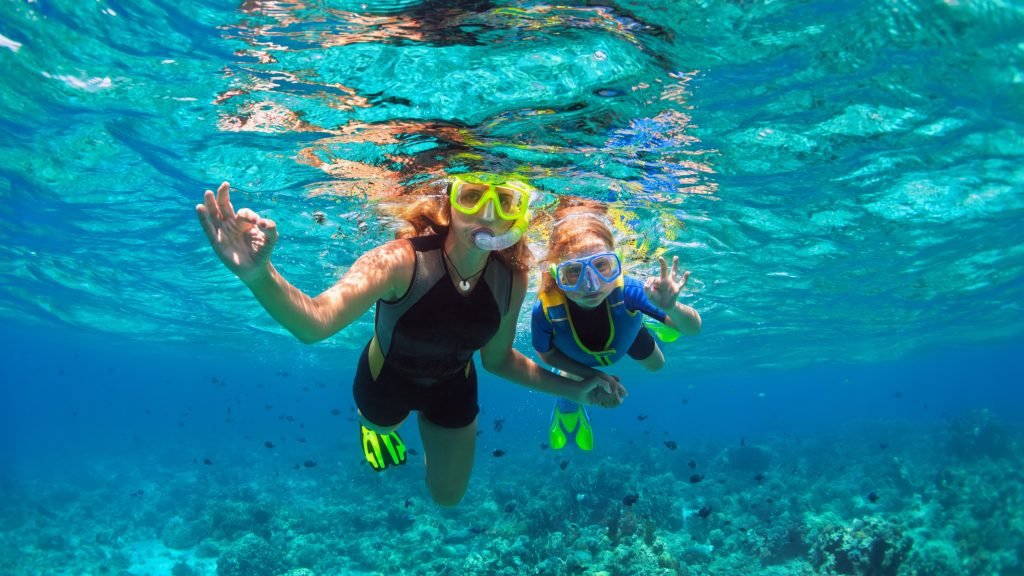
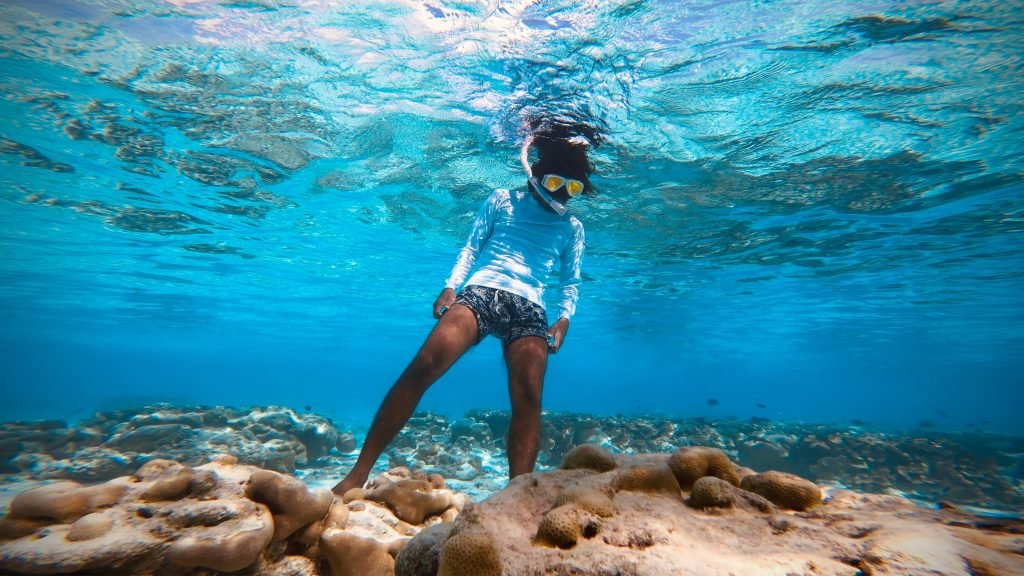
The Daymaniyat Islands (also spelled Dimaniyat or Damaniyat) are a protected chain of nine uninhabited islands off the coast between Seeb and Barka. They sit about 15–18 km offshore from Muscat's western coast, and are known for coral reefs, sea turtles, seasonal whale sharks and nesting seabirds.
You can only reach them by boat. Snorkeling and diving trips around the islands run all year. Stepping onto the islands is allowed only from November to April.
Quick Facts
Off the coast of Seeb (Muscat) and Barka (South Al Batinah)
9, all uninhabited
About 15–18 km
Daymaniyat Islands Nature Reserve, established 1996
Oman Environment Authority
By boat only, with an entry permit
November to April only
All year, weather permitting
Coral reefs, green and hawksbill turtles, whale sharks (summer), seabirds
The islands stretch in a line roughly 21 km long off Oman's northern Batinah coast, north-west of central Muscat. Most boat trips leave from Seeb or from marinas along the Muscat coast.
Octopus Oman's shared and private trips leave from Seeb Port at 8:00 AM. The boat ride to the islands takes about 20–25 minutes.
You can visit the waters around Daymaniyat in any month. What changes through the year is whether you can land on the islands, the weather, and which wildlife you're likely to see. For water temperature and wildlife month by month, read Daymaniyat Islands Month by Month.
Tip: in the hot months, an early start makes a big difference. Octopus Oman's trips leave at 8:00 AM and are back at the port by midday.
Island landing: allowed with permit. Cooler, pleasant weather. Beach stops and camping (designated islands only) are possible.
Island landing: not allowed. Turtle and bird nesting season. Snorkeling and diving trips continue from the boat. Hot weather, so morning trips are best.
Island landing: not allowed. Whale shark season, often peaking around August. Sightings are never guaranteed.
The reefs around the islands hold coral formations and large numbers of colourful reef fish. Sea turtles are the highlight for most visitors, and both green and hawksbill turtles are found here. Every trip is different, and sightings depend on the day and the site.
Green and hawksbill turtles, coral formations and large numbers of colourful reef fish. Read: Green or Hawksbill? How to Identify the Sea Turtles You Meet at Daymaniyat.
Whale sharks pass through in the summer months when plankton is plentiful. They are wild animals: sightings vary from day to day and are never guaranteed. Read: Whale Sharks in Oman: When and Where to See Them.
The most popular way to see the reserve. You enter the water from the boat, and a guided trip usually visits two different snorkel spots. First-timers are welcome with a guide and a life jacket, but think about your own swimming ability and comfort in open water.
One of the best-known dive areas near Muscat. Certified divers usually make two dives at different sites; non-certified visitors can join a guided single dive. Diving needs an Environment Authority diving permit, arranged by a licensed operator. For depths and site details, read Scuba Diving in Muscat: Daymaniyat Dive Sites.
In the open season you can step ashore on permitted beaches. Overnight camping is allowed only on Al Jabal Al Kabeer and Al Joon islands, in places the Environment Authority designates, for up to 12 people or 5 tents per group.
Every visitor needs an entry permit from the Environment Authority, applied for and paid online. If you join a tour, check whether the operator includes it. All Octopus Oman Daymaniyat trips include the reserve permit in the price.
For the full rules and visitor numbers, read Daymaniyat Islands Permit and Reserve Rules 2026.
Permit fees per day, as published by the Environment Authority (October 2026):
Omani nationals: OMR 1 · Foreign visitors: OMR 3 (per day)
Omani nationals: OMR 3 · Foreign visitors: OMR 6 (per day)
Omani nationals: OMR 5 · Foreign visitors: OMR 10 (per day)
Omani nationals: OMR 0.100 · Foreign visitors: OMR 1 (per day)
The main reserve rules:
You’ll need a licensed tour operator or a private boat with a permit. Most half-day trips last 4–5 hours including the boat ride.
If you’re staying in central Muscat, allow time for the drive to Seeb, and arrive a little early for check-in and the safety briefing.
Octopus Oman trips meet at Seeb Port at 8:00 AM, daily. The boat ride to the islands takes about 20–25 minutes.
Snorkeling trips return around 12:00 PM and diving trips around 1:00 PM.
Daymaniyat Trips
All trips leave Seeb Port at 8:00 AM and include the reserve permit. Prices as listed on octopus-oman.com in October 2026; each tour page has current availability. Not sure which to pick? Read Snorkeling or Scuba Diving at Daymaniyat: Which Should You Book?
A Day on Oman's Beautiful Waters
Enjoy refreshing snorkeling in the clear waters and natural beauty of the Daymaniyat Islands.
Responsible tourism to protect Oman's marine environment.
A Day on Oman's Beautiful Waters
Enjoy refreshing snorkeling in the clear waters and natural beauty of the Daymaniyat Islands.
Responsible tourism to protect Oman's marine environment.
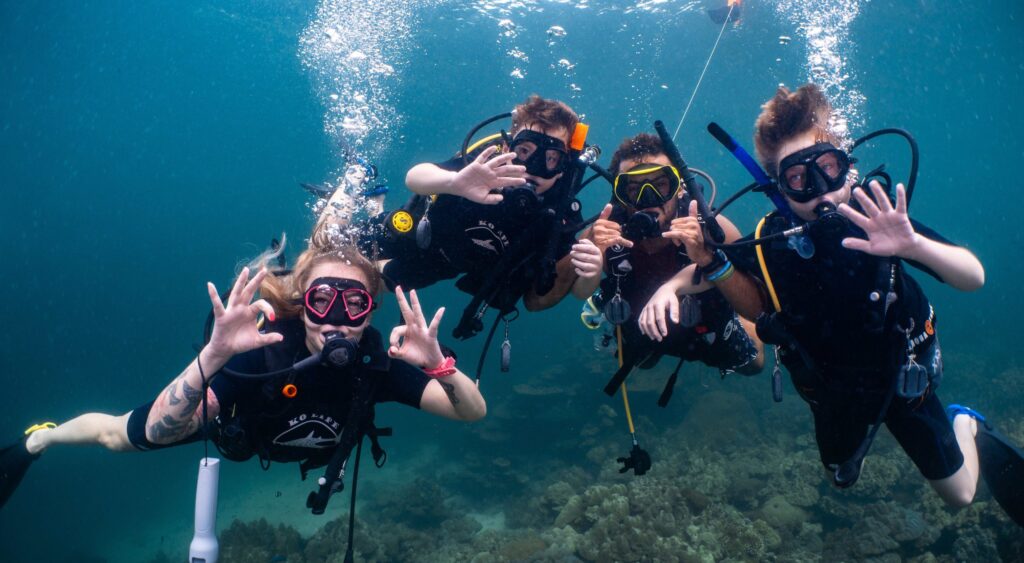
A Day underwater Oman's Beautiful Waters
Enjoy refreshing scuba diving in the clear waters and natural beauty of the Daymaniyat Islands.
Responsible tourism to protect Oman's marine environment.
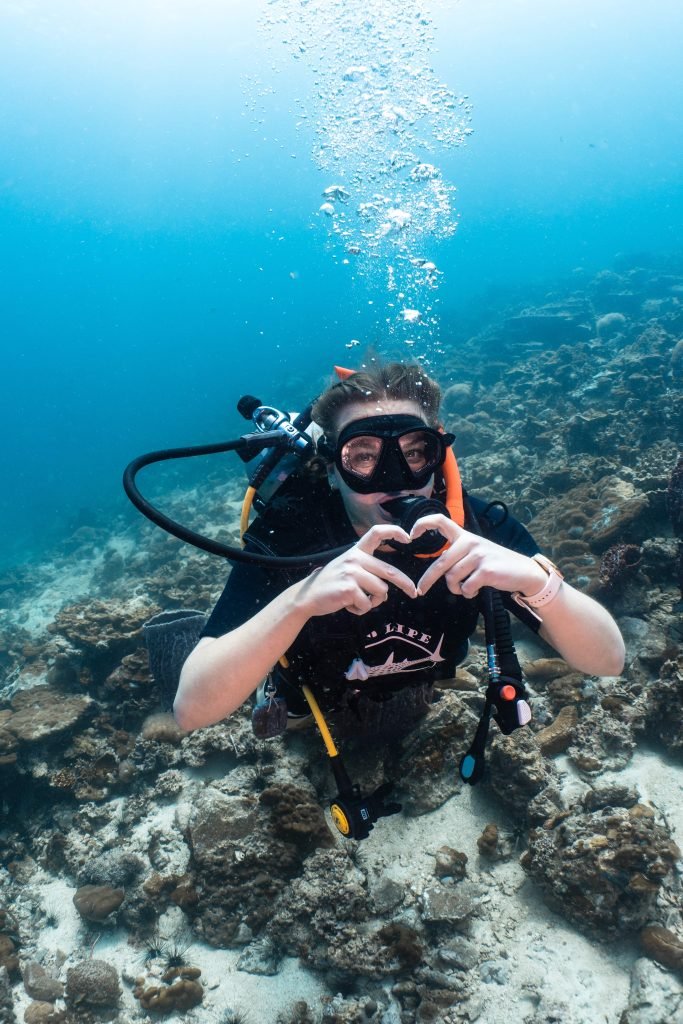
A Day underwater Oman's Beautiful Waters
Enjoy refreshing scuba diving in the clear waters and natural beauty of the Daymaniyat Islands.
Responsible tourism to protect Oman's marine environment.
Snorkeling or diving equipment, life jackets, the reserve permit, water, soft drinks and sandwiches are included on Octopus Oman trips. You only need to bring a few personal things:
Pack these:
FAQ
Off Oman’s northern coast between Seeb and Barka, about 15–18 km offshore from Muscat’s western coast.
Nine. All are uninhabited, apart from a ranger station.
Yes. Snorkeling and diving trips run all year. Only landing and camping on the islands are banned from May to October.
Mainly in summer, roughly June to September, often peaking around August. Sightings are never guaranteed.
Yes. Every visitor needs an Environment Authority entry permit. A diving permit costs more than a visit permit. Octopus Oman trips include the permit.
Only from November to April, and only on Al Jabal Al Kabeer and Al Joon, in designated spots.
About 20–25 minutes by boat from Seeb Port, plus the drive from your hotel to the port. A half-day trip with Octopus Oman takes 4 hours for snorkeling or 5 hours for diving.
Yes. Snorkelers get a guide and a life jacket, and non-certified visitors can join one guided dive. Certified divers usually make two dives.
Let's Make Your Oman Trip Special.
The Daymaniyat Islands are Oman’s best-known marine reserve, and they stay that way because visitors follow the rules. Choose a trip, bring reef-safe sunscreen, and leave the turtles and corals as you found them.

Discover Oman’s underwater and land beauty while helping us preserve it for future generations.
©2026 – All Rights Reserved. Octopus Oman