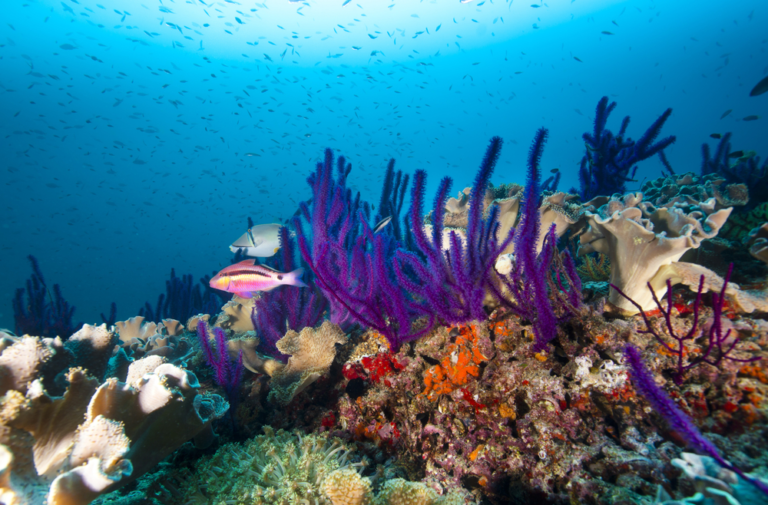
The Daymaniyat Islands are a protected nature reserve, not just a pretty day trip. Whether you join a private Daymaniyat snorkeling tour or a shared snorkeling trip, knowing the rules helps you plan a better day and protect the reefs you came to see.
Here are the key rules for 2026, explained through the numbers behind them.
The reserve at a glance
| Fact | Number |
|---|---|
| Year declared a nature reserve | 1996 |
| Months beach landing is banned | 6 (May to October) |
| Turtles nesting each year | about 250 to 300 |
| Whale sharks identified since 2004 | 137 |
| Visitors in 2025 | 136,549 |
| Visitor growth in 2025 | +29.2% |
The reserve was created in 1996 to protect turtle nesting beaches, coral reefs and birdlife, according to the Environment Authority. Visitor figures come from the Times of Oman, turtle numbers from the Oman Observer, and whale shark data from the ISRA factsheet.
Rule 1: You need a permit
Entry to the reserve requires a permit from Oman’s Environment Authority, which issues it electronically. If you book with a licensed operator, the permit is usually arranged for you. All our Daymaniyat snorkeling and diving trips include the reserve permit fees in the price.
Rule 2: No beach landings from May to October
Public access to the islands is banned during the seabird and sea turtle breeding season, from May to October, according to BirdLife International. Boats can still take you snorkeling and diving around the islands, but you cannot step ashore.
From November to April, beach stops are allowed on permitted islands, which makes this the busiest season.
Rule 3: Camping needs separate permission
Under Ministerial Decision 62/2019, entering the reserve to camp overnight is prohibited without ministry permission, and camping is banned completely from 1 May to the end of October each year, as reported by the Oman Observer. Day trips do not need to worry about this, but it is worth knowing if you see camping offers online.
Why visitor numbers matter
The reserve’s visitor count rose from 71,263 in 2023 to 136,549 in 2025, a 91.6% increase in two years. More boats and more swimmers mean more pressure on coral, turtles and nesting birds.
Rules alone cannot protect the reef. How each visitor behaves matters just as much.
How to be a good visitor
These are the habits we ask every guest to follow.
- Never touch or stand on coral. Even a light touch can damage it.
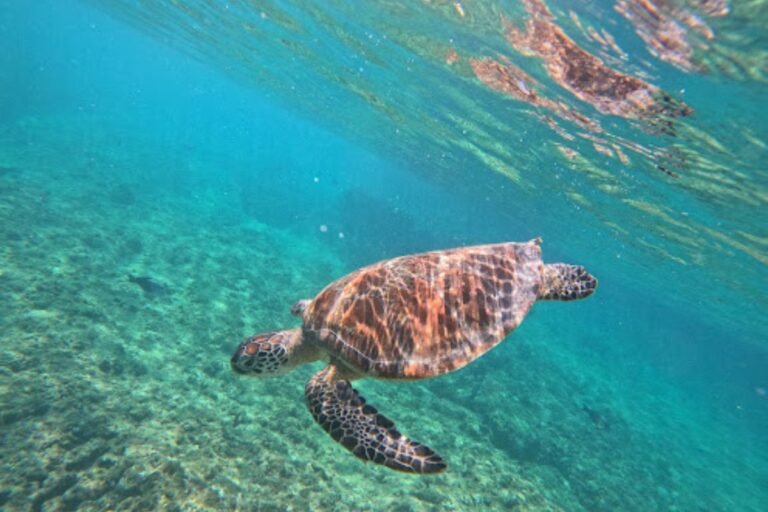
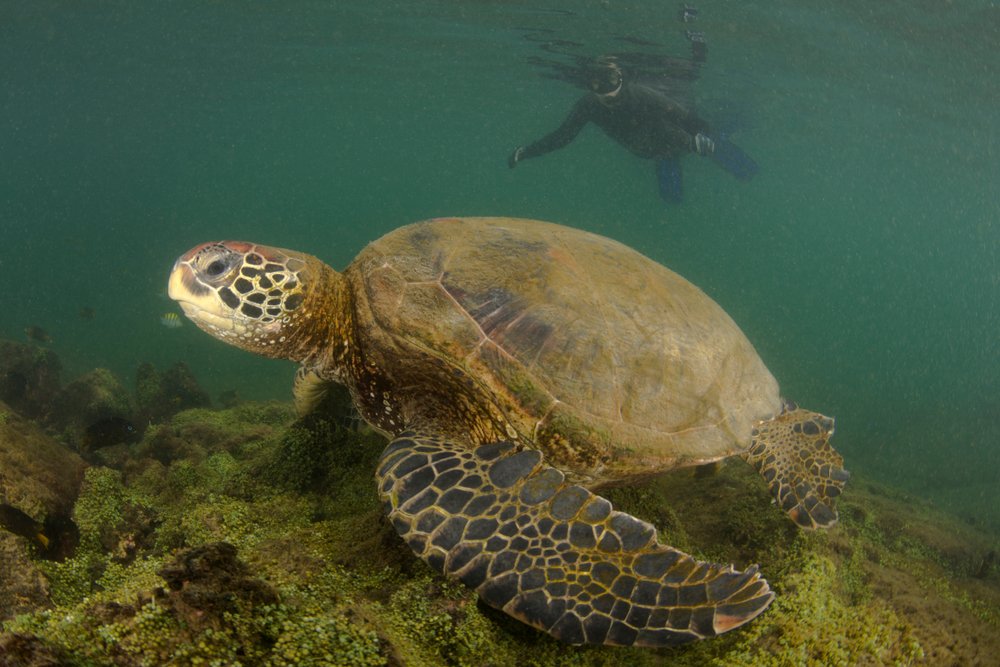
- Give turtles space. Stay at least a few metres away and never chase or block them.
- Use reef-safe sunscreen or cover up with a rash guard.
- Take everything back. Leave no rubbish, food or plastic on the boat or beaches.
- Listen to your guide. Briefings cover current, depth and where it is safe to swim.
Our eco-friendly guide to snorkeling with turtles explains each of these in more detail.
Why smaller groups help
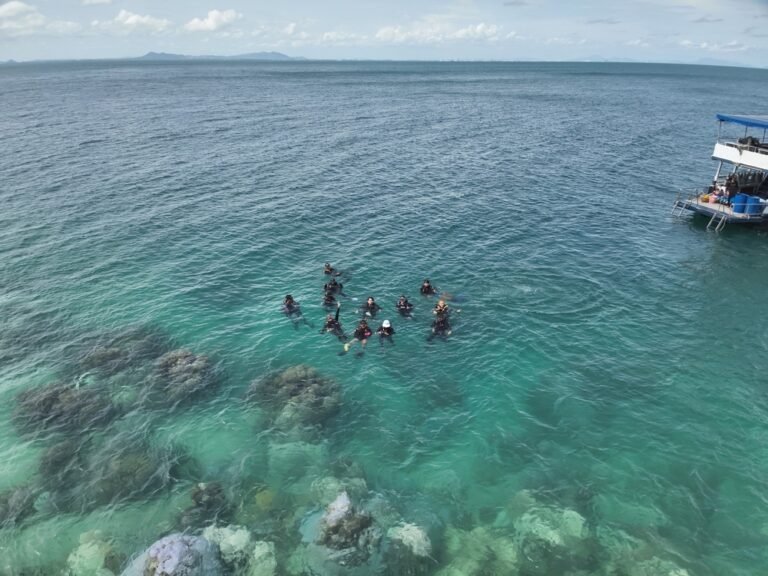
A private boat means fewer people in the water at each stop. That is easier on the reef and more relaxing for you. For families and groups of four or more, the private Daymaniyat snorkeling tour costs 250 OMR for up to four guests, with permits included.
Prefer to go deeper? Our shared scuba diving trip in the Daymaniyat Islands includes permits, equipment and a full briefing.
Before you book
Check that your operator includes permits, gives a safety and conservation briefing, and follows the seasonal rules. Our checklist of what to check before booking an Oman tour covers the essentials. To spot turtles responsibly, read where and how to see turtles in Oman.
The rules exist so the Daymaniyat Islands stay worth visiting in 2027 and beyond.
Related reading
- Daymaniyat Month by Month 2026–2027: Water Temperature, Whale Sharks, Turtles and Landing Rules
- Green or Hawksbill? How to Identify the Sea Turtles You Meet at Daymaniyat
- Browse all our private tours in Muscat
Frequently asked questions
Do I need to arrange my own Daymaniyat permit?
Not if you book with a licensed operator that includes it. Our trips include the permit fees. Independent visitors apply electronically through the Environment Authority.
Can I land on the islands in summer?
No. Beach landings are banned from May to October to protect nesting birds and turtles.
Can I camp on the Daymaniyat Islands?
Only with ministry permission, and never between 1 May and the end of October, under Ministerial Decision 62/2019.
Why is the reserve protected?
It was declared a nature reserve in 1996 to protect turtle nesting beaches, coral reefs and birds.
Sources: Environment Authority, reserve page · BirdLife International · Oman Observer, Ministerial Decision 62/2019 · Oman Observer, turtle nesting · ISRA factsheet · Times of Oman, visitors