Sunscreen is one thing we ask guests to bring themselves on a shared Daymaniyat snorkeling tour. Because the islands are a protected reef reserve, the type you choose matters. This guide explains what reef-safe sunscreen means and how to pick one before your trip.
Why sunscreen matters at Daymaniyat
The Daymaniyat Islands have been a protected nature reserve since 1996, created to protect coral reefs, turtle nesting beaches and birds. The reserve recorded 136,549 visitors in 2025, according to the Times of Oman. When thousands of swimmers enter the same water, what they wear on their skin adds up.
The ingredients to avoid
Two common sunscreen chemicals have been linked to harm in coral: oxybenzone and octinoxate. Hawaii became the first place in the world to ban the sale of sunscreens containing them, starting on 1 January 2021, under Act 104. The law’s findings state that these chemicals can harm developing coral and increase coral bleaching.
| Check the label for | Why |
|---|---|
| Oxybenzone (benzophenone-3) | Linked to harm in developing coral |
| Octinoxate (octyl methoxycinnamate) | Linked to coral stress and bleaching |
There is no single legal definition of “reef-safe”, so always read the ingredients rather than trusting the front of the bottle.
What to look for instead
- Mineral filters. Sunscreens based on zinc oxide or titanium dioxide are a common alternative.
- Non-nano labels. Many reef-conscious brands use larger, non-nano mineral particles.
- Water resistance. Choose a water-resistant formula, so less washes off in the sea.
- Lotion, not spray. Sprays can drift onto the boat deck and into the water.
Apply it the right way
- Put it on early. Apply at the hotel, at least 15 to 20 minutes before reaching Seeb Port.
- Let it soak in before you swim, so less washes off.
- Cover the back of your legs and neck. These burn quickly when you float face-down.
- Reapply on the boat after snorkeling, especially in the warmer months.
Cover up to use less
The most reef-friendly sunscreen is the one you do not need. Clothing protects your skin without washing into the sea.
- A rash guard or long-sleeved swim top protects your back and shoulders.
- Swim leggings protect the backs of your legs.
- A hat and sunglasses help on the boat ride.
Where to buy
If you are flying in, it is often easier to buy reef-friendly sunscreen at home before you travel, where you have time to compare labels. A small travel-size tube is easy to carry on the boat and lasts for several trips.
Other ways to protect the reef
- Never touch or stand on coral.
- Keep fins away from the reef.
- Give turtles plenty of space.
- Take all rubbish back to the port.
Our eco-friendly guide to snorkeling with turtles covers good reef behaviour in more detail.
Ready to go
Pack your reef-friendly sunscreen and join the shared snorkeling tour, book a private Daymaniyat snorkeling tour, or dive with our shared scuba diving trip. For more on why the reserve is busier than ever, read our look at Daymaniyat visitor numbers and the 2027 outlook.
Sun protection for children
Children burn quickly on the water. Dress them in a long-sleeved rash guard and swim leggings, apply a mineral sunscreen to the face, hands and feet, and bring a hat for the boat ride. Less exposed skin means less sunscreen in the sea and fewer sunburned kids at the end of the day.
Pre-trip sunscreen checklist
- Read the ingredients for oxybenzone and octinoxate.
- Pack a water-resistant mineral lotion.
- Apply it at your hotel before you leave.
- Pack a rash guard and a hat.
Related reading
- Daymaniyat Nature Reserve Rules 2026 in Numbers: Permits, Landing Bans and Visitor Pressure
- Green or Hawksbill? How to Identify the Sea Turtles You Meet at Daymaniyat
- Browse all our shared tours in Muscat
Frequently asked questions
Is sunscreen included on the tour?
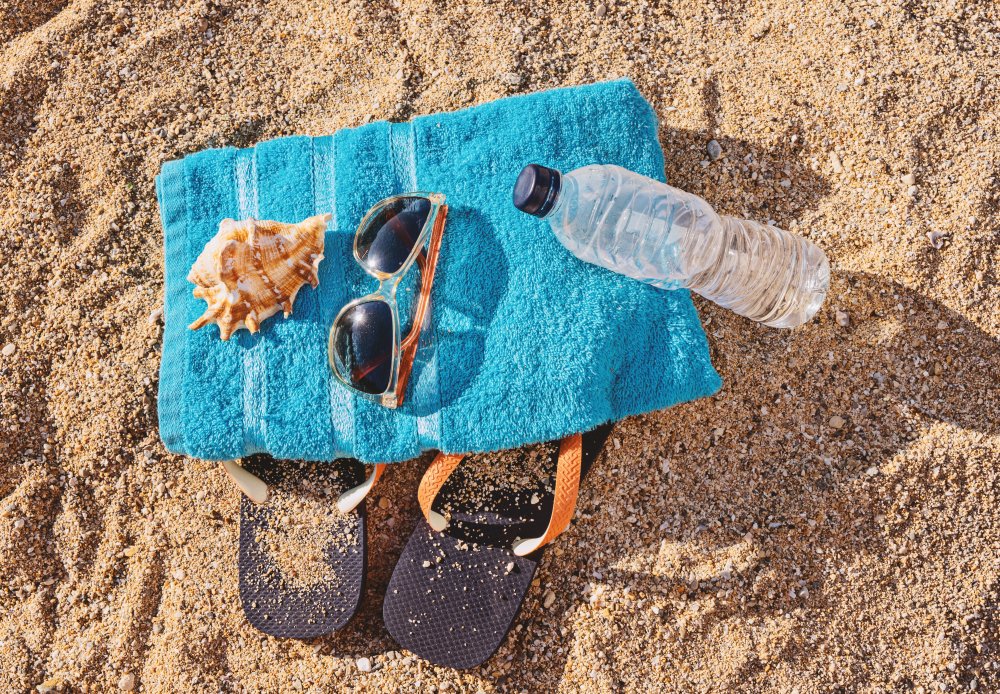
No. Sunscreen and towels are not included, so bring your own.
Is mineral sunscreen always reef-safe?
Not always. Check the full ingredient list for oxybenzone and octinoxate, and choose water-resistant formulas.
Does Oman ban any sunscreen ingredients?
We are not aware of a ban in Oman. Hawaii was the first place to ban oxybenzone and octinoxate.
Is a rash guard better than sunscreen?
It covers more skin and does not wash off, so it reduces how much sunscreen you need.
Sources: Hawaii Act 104 (2018) · Times of Oman, 2025 visitors