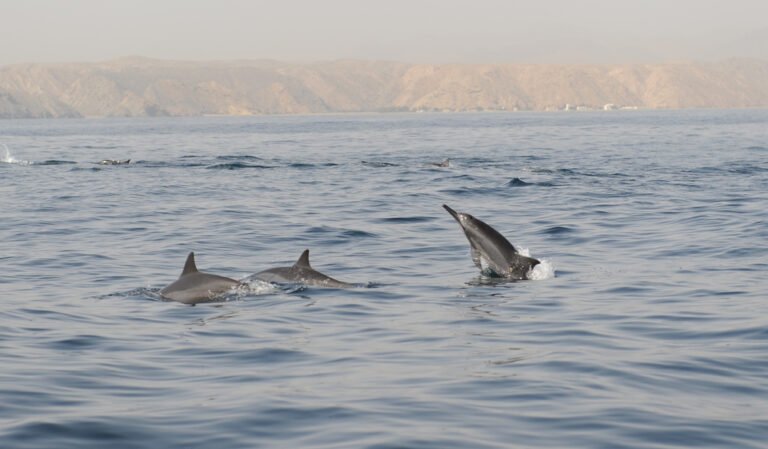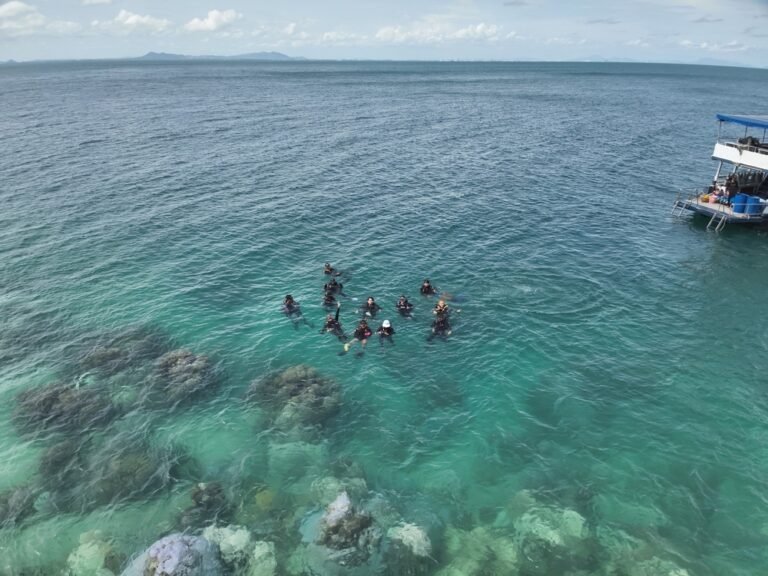
Clear water, coral and sea turtles make the Daymaniyat Islands a great place for underwater photos. Whether you bring your own camera or rent one on a private Daymaniyat snorkeling tour, a few simple techniques make a big difference. Here is how to come home with shots you are proud of.
Your camera options
| Option | Good for | Notes |
|---|---|---|
| Rent a GoPro on the tour | Guests without a waterproof camera | 20 OMR for GoPro rental or filming |
| Your own action camera | Regular snorkelers | Bring a charged battery and spare memory card |
| Phone in a waterproof case | Casual photos | Test the case in a sink before the trip |
Before you get in the water
- Charge everything the night before.
- Clear your memory card.
- Attach a wrist strap or floating handle. Losing a camera in the sea is easy.
- Use an anti-fog insert or a little baby shampoo inside your mask so you can see clearly.
- Check the lens is clean and free of water spots.
Settings that work
Every camera is different, but these are good starting points for action cameras:
- Use video and grab stills later. Shooting 4K video lets you pull out sharp frames afterwards.
- Use burst or time-lapse photo modes for moving fish.
- Choose a wide field of view for reef scenes.
- Keep the light behind you where possible.
Get close, not deep
Water absorbs colour and light. Red and orange disappear first, so photos taken far from a subject look blue and flat.
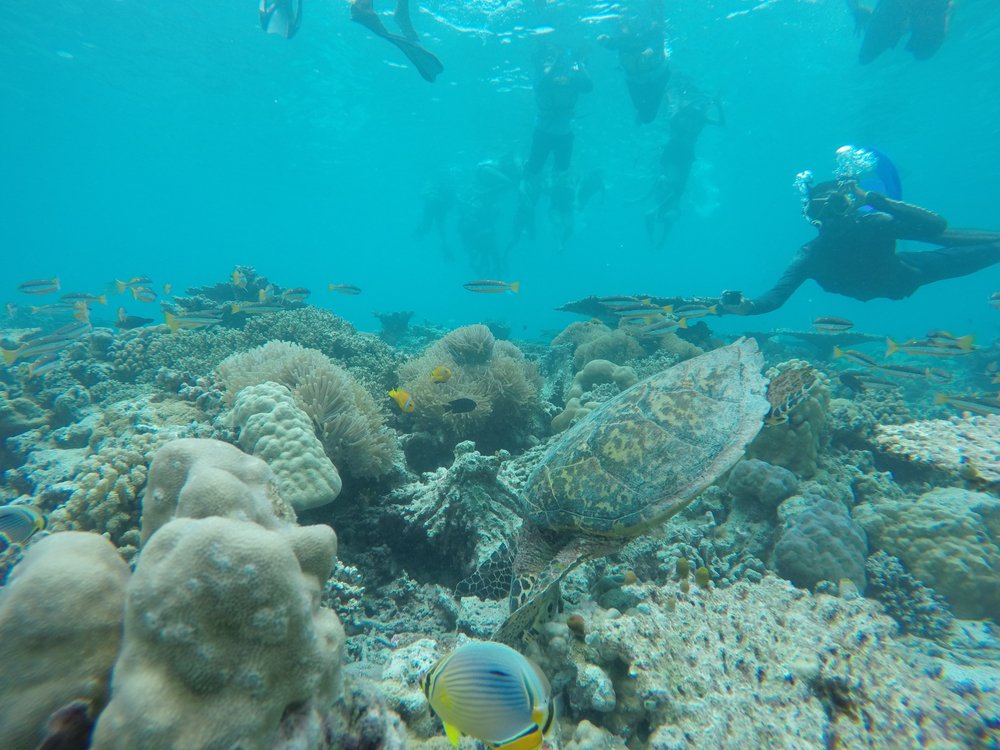
- Shoot within one to two metres of your subject for better colour and detail.
- Stay in shallow water when photographing coral. Brighter light means brighter colour.
- Photograph in the morning. Our trips run from 8:00 AM, when the light is often clear.
Turtle photography tips
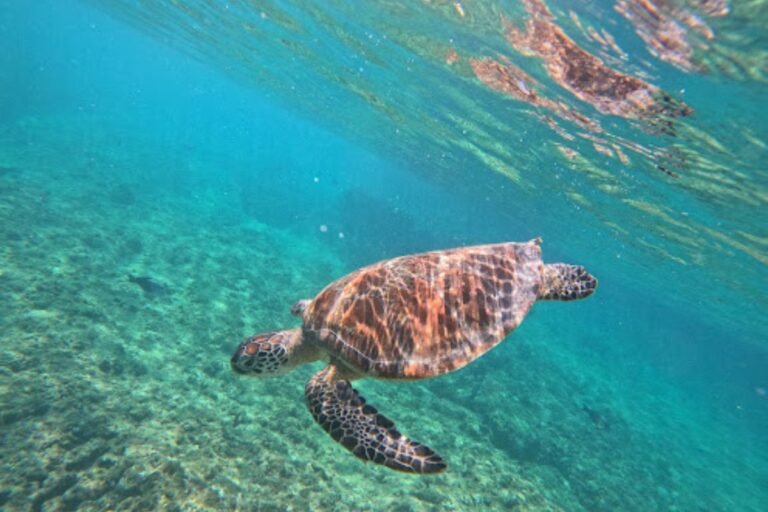
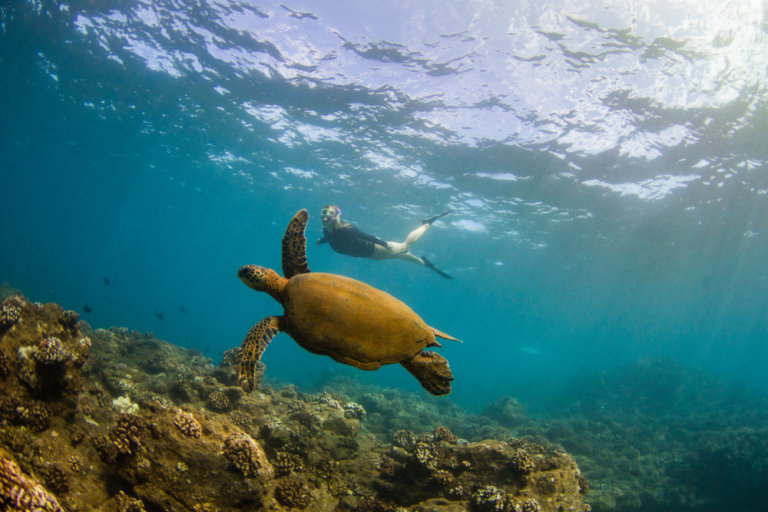
Turtles are the star of most Daymaniyat photos. Respect comes first:
- Never chase a turtle. Wait and let it come to you.
- Stay a few metres away and use the camera’s zoom or crop later.
- Never block its path to the surface, as turtles need to breathe.
- Shoot from the side to capture the head and shell pattern clearly.
A side-on head shot also helps you tell green and hawksbill turtles apart later. To find turtles in the first place, read where and how to see turtles in Oman.
Reef and fish tips
- Hover still at the surface and let fish return to the reef.
- Shoot slightly upwards to include sunlight for dramatic shots.
- Keep fins away from coral. Never touch or stand on the reef to get a shot.
Why private trips help photographers
On a private boat, your group decides how long to stay at a spot. If a turtle appears or the light is perfect, you can take your time. The private snorkeling charter costs 250 OMR for up to four guests, with equipment and permits included.
Divers can also capture the reef from below on the shared scuba diving trip in the Daymaniyat Islands. Ask your guide before using a camera on a dive, especially if it is your first time.
After the trip
- Rinse your camera in fresh water as soon as you can.
- Back up your files the same day.
- Share your best shots and tag Octopus Oman.
Prefer a group trip? Join the shared Daymaniyat snorkeling tour for 30 OMR per person. For more marine life ideas, read when and where to see whale sharks in Oman.
Your Daymaniyat shot list
- A turtle from the side, showing its head and shell
- A school of reef fish against blue water
- Close-up coral detail in shallow water
- A split shot, half above and half below the surface, near the boat
- Your group in the water, all giving a thumbs up
Related reading
- Shared vs Private Daymaniyat Snorkeling: Cost per Person for 1 to 8 Guests (2026 Prices)
- Daymaniyat Islands Visitors Nearly Doubled Since 2023: What 2027 Could Look Like
- Browse all our private tours in Muscat
Frequently asked questions
Can I rent a camera on the tour?
Yes. GoPro rental or filming is available for 20 OMR.
Will my phone survive in a waterproof case?
Most good cases work, but test yours in water before the trip and attach a strap.
What is the best time for photos?
Morning light is often clear, which suits our 8:00 AM departures.
Can I use a flash?
Avoid flash near turtles and fish. Natural light works well in shallow water.